Fully Automatic, Semi-Automatic, and Manual Assembly Stations
Modular Design & Precisely Tailored to your Requirements
GROB develops and manufactures custom assembly stations for a variety of assembly and manufacturing processes. The individual stations can be specifically designed to accommodate the part, process, cycle time, and degree of automation.
The assembly stations can be used individually or integrated into an automation system consisting of additional modules to form complex assembly lines.
Three Degrees of Automation for Different Requirements
At GROB, assembly stations are designed to integrate into an overarching production process. This involves coordinating, among other things, workpiece transport, feeding, positioning, assembly, inspection, and onward transport.
Multiple stations can then be connected via automation systems and transport systems to form an assembly line.
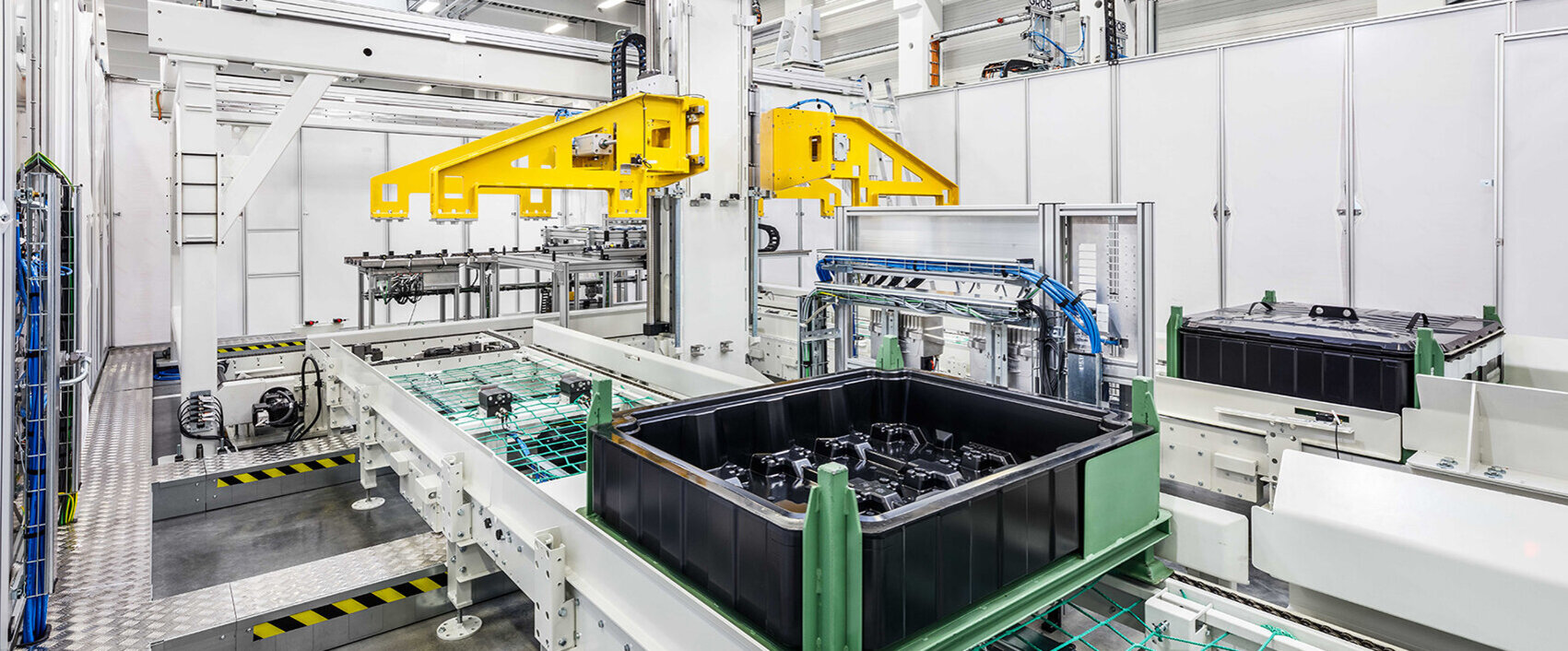
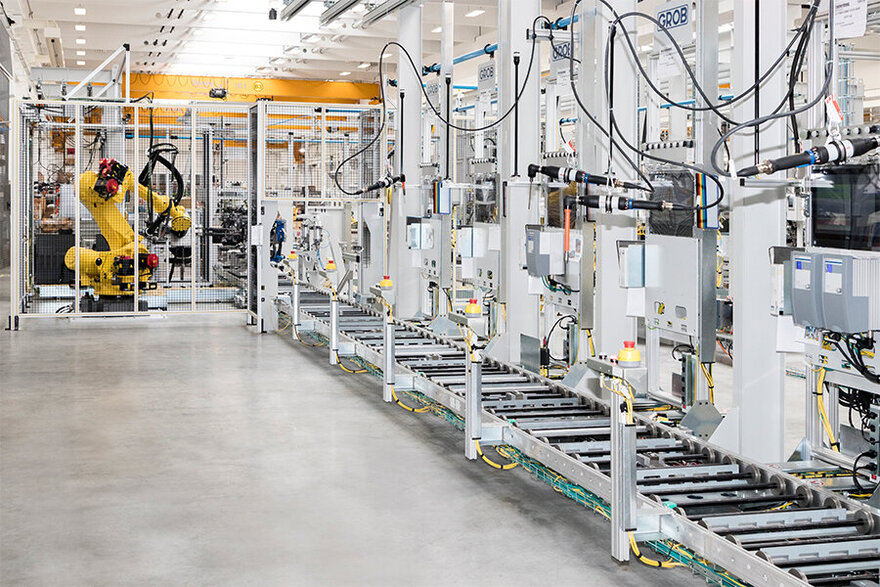
Fully automated stations handle defined assembly processes automatically and are particularly well-suited for high output volumes and repetitive assembly tasks.
Automated feeding, positioning, and assembly can be combined within a single station. This allows complex processes with defined cycle times to be integrated into a continuous production flow.
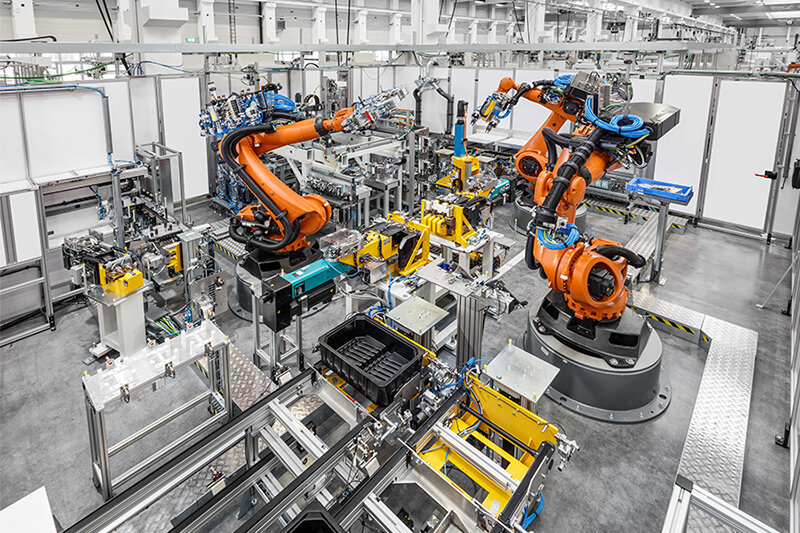
Semi-automatic stations combine automated process steps with manual tasks.
This solution is suitable, for example, when individual work steps require manual operation or when full automation is not economically feasible.
The coordination of the operator, the station, and the overall cycle enables efficient synchronization of the assembly process.
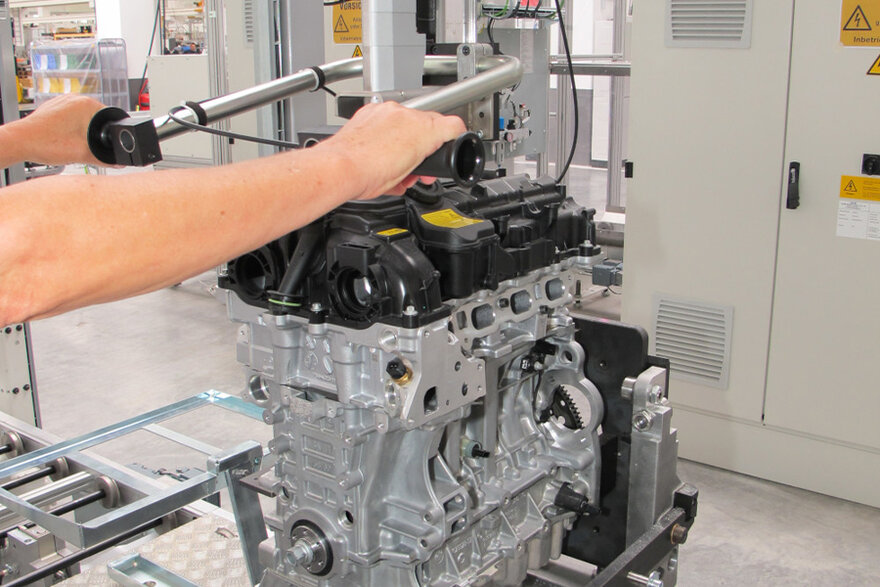
Manual stations offer maximum flexibility for varying assembly tasks.
They are particularly well-suited for:
- processes that are difficult to automate
- frequently changing work tasks
- small or medium production runs
- a wide variety of variants
- short service life
- Economically sensitive applications
Manual stations can also be part of an automated system.
Modular Design for Flexible Assembly Concepts
GROB assembly stations are based on a clear systematic approach. This allows different modules and functions to be combined into a solution tailored to the specific process.
The modular system includes, among other things:
-
Customizable assembly stations
-
Modular system building kit
-
Flexible adaptation to different products
-
Design for defined cycle times
-
Part-specific transport & pallet systems
-
Combining individual stations into assembly lines
-
Integration into existing production
facilities -
Fully automatic, semi-automatic, and manual models
Assembly Stations for Various Applications
GROB assembly stations can be used for various assemblies and products.
These include, for example:
Conventional Powertrain
Internal combustion engines
Cylinder heads
gearbox
Axle gearboxes
Mechatronics
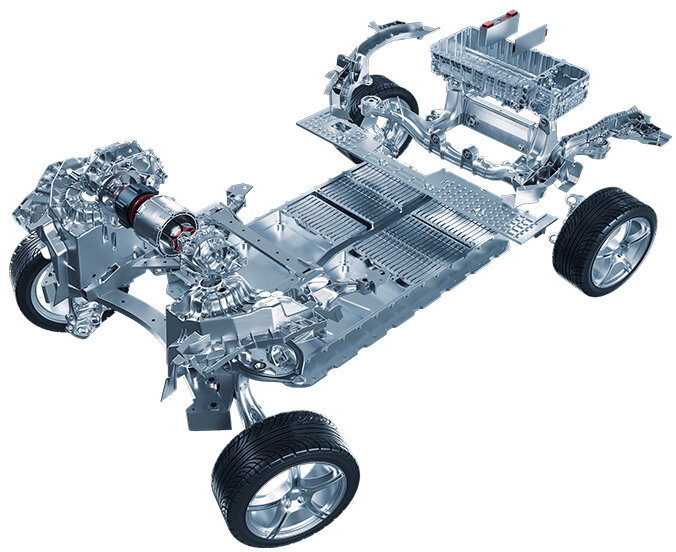
Electrified powertrain
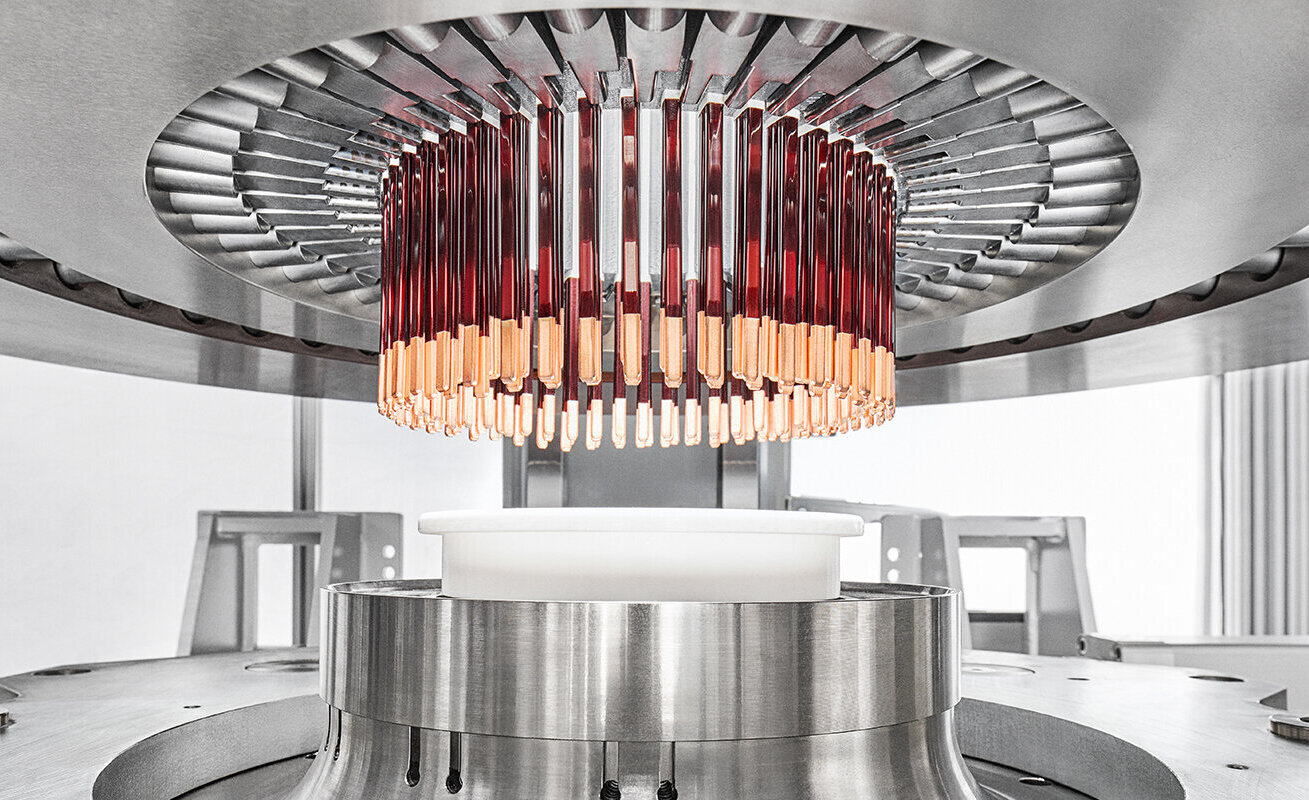
Electric motors
Battery modules
Battery packs
Fuel cell stacks
In addition, the GROB assembly concept can be adapted for use in other industrial applications across a wide range of industries.
FAQ - Frequently Asked Questions About GROB Assembly Stations
An assembly station is a technical unit in which a specific assembly or process step is performed. It can be operated manually, semi-automatically, or fully automatically.
GROB offers manual, semi-automatic, and fully automatic assembly stations. The choice depends on the process, production volume, cycle time, variants, and desired degree of automation.
Yes. The assembly stations are tailored to the product, assembly process, and production requirements. For example, part carriers, feeders, positioning systems, and automation can be customized accordingly.
Yes. Individual stations can be combined into assembly lines and complex assembly systems using automation systems and transport systems.
Manual stations are particularly well-suited for situations involving a wide variety of variants, changing tasks, small production runs, or assembly processes that are difficult to automate.
Yes. Fully automated assembly stations can be designed for high output rates and defined cycle times.
You Might Also Be Interested In
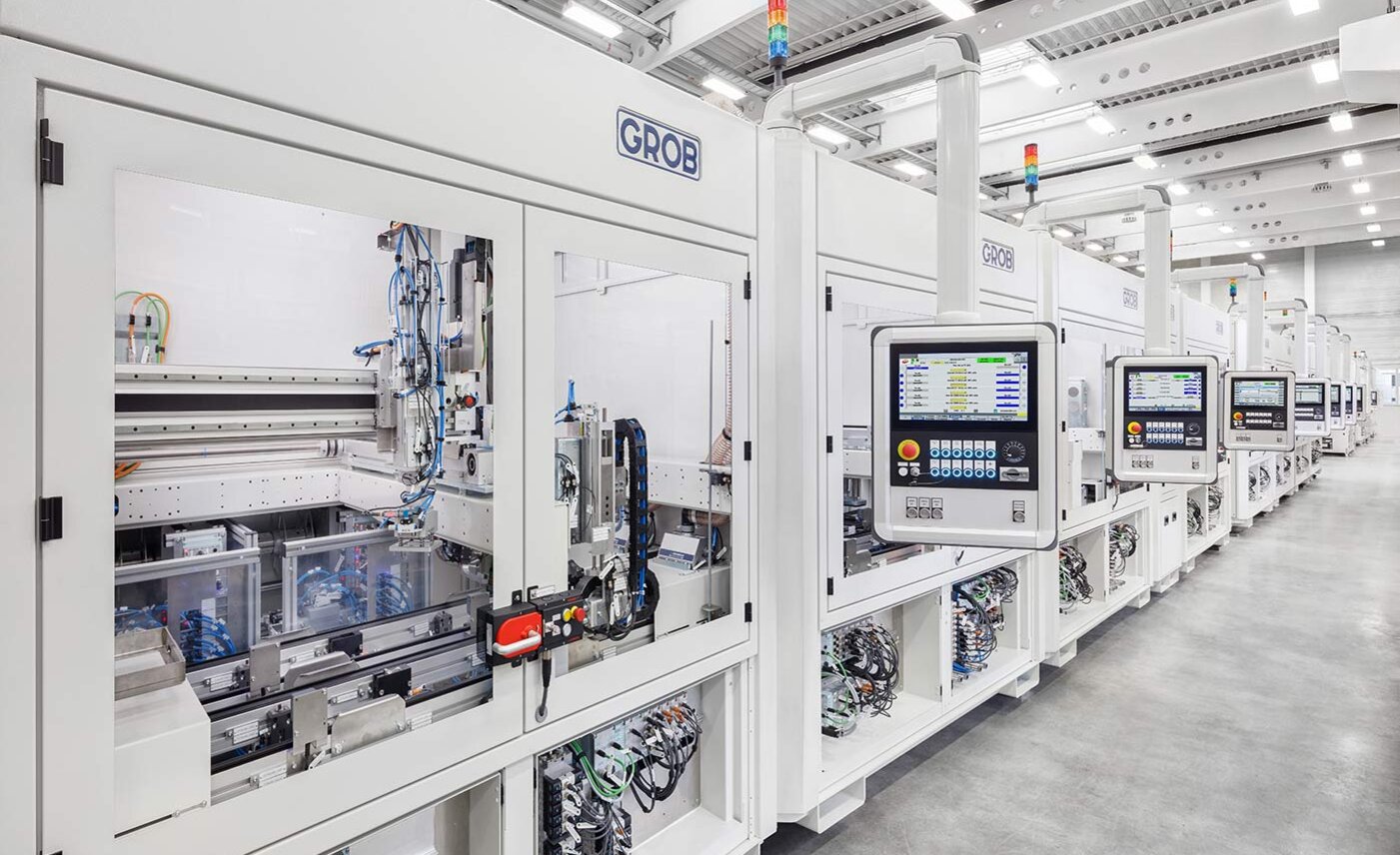
This results in flexible and scalable production concepts for a wide variety of applications and production volumes.